
TL;DR
Parents can nurture civic engagement in children by modeling values, encouraging agency, and discussing community issues age-appropriately. Experts emphasize honesty and example over direct instruction.
Experts recommend that parents foster civic engagement in children by modeling values and encouraging agency, rather than instructing them on specific policies or beliefs. This approach aims to build emotional foundations and critical thinking skills, which are vital in today’s complex political climate.
A recent article from Motherly highlights strategies for raising civically engaged children without direct indoctrination. It emphasizes that children naturally understand concepts like fairness and protests, making age-appropriate conversations effective in developing civic awareness. Leah Greenberg, co-founder of Indivisible, suggests that modeling values such as kindness and fairness, rather than pushing specific policies, helps children develop their own sense of agency and moral judgment. She also notes that children are perceptive and will notice inconsistencies if parents do not embody the values they promote. The article underscores that everyday community participation, like food drives or neighborhood activities, can instill civic habits early on. When discussing difficult or scary news, honesty and emotional transparency are recommended, tailored to the child’s developmental level.
Why It Matters
This approach matters because it offers parents practical, evidence-based methods to prepare children for active citizenship amid complex social and political issues. By focusing on values and agency, it aims to foster critical thinking and emotional resilience, which are crucial for democratic participation and social cohesion in the future.

A Kids Book About Civic Engagement
As an affiliate, we earn on qualifying purchases.
As an affiliate, we earn on qualifying purchases.
Background
The article reflects ongoing discussions among educators and civic leaders about how to develop engaged, thoughtful citizens from a young age. It builds on the understanding that children are natural observers and learners of social values. Recent years have seen increased emphasis on civic education outside formal schooling, especially in a polarized political environment. The approach aligns with broader efforts to promote moral development and community involvement from early childhood, emphasizing modeling and age-appropriate dialogue.
“Kids are really good bullshit detectors. And so if you’re saying a set of values and you’re not actually living them, then they’re going to notice that really fast.”
— Leah Greenberg
“The key is modeling values, not policies, and encouraging children to see their own agency in community involvement.”
— Sara Goldstein

200 Kids Conversation Cards for Age 5-13; Fun Question Card Game for Family
- 200 Engaging Questions for Kids: Promotes open conversations with children
- Designed for Ages 5-12: Includes categories like School, Family, and Fun
- Trusted by Professionals: Used by speech therapists and educators
As an affiliate, we earn on qualifying purchases.
As an affiliate, we earn on qualifying purchases.
What Remains Unclear
It is not yet clear how these strategies will impact children’s civic engagement in the long term or how they can be adapted for different cultural or socioeconomic contexts.

ZOCO – My Heroes – Police, Firefighter, EMS – Coloring & Activity Books (50 Bulk Pack, Without Crayons) – Community Outreach Handout for Kids
- Educational Content: Coloring sheets, puzzles, activities
- Honors Heroes: Teaches about police, firefighters, EMS
- Bulk Pack: 50 books without crayons
As an affiliate, we earn on qualifying purchases.
As an affiliate, we earn on qualifying purchases.
What’s Next
Experts suggest that parents continue practicing honest, value-based conversations and model civic behaviors. Future research may explore how these early habits influence civic participation as children grow older. Additionally, educators and community leaders may develop programs to support parents in this approach.
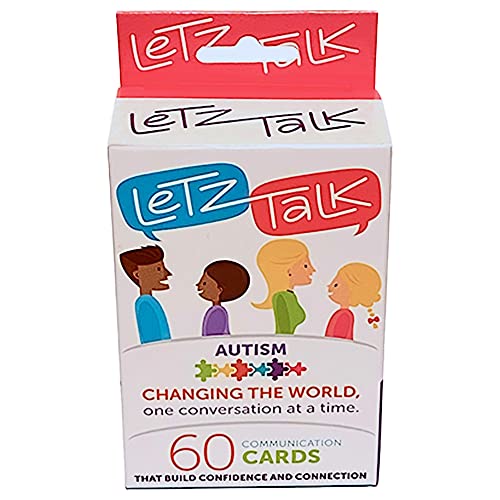
Letz Talk Conversation Cards for Kids with Autism or Aspergers – Learning & Education Toys, Conversation Starters, Autism Communication Cards for Kids and Adults, Therapy Tool, Stocking Stuffers
- Family Conversation Starter: 60 thought-provoking questions for kids
- Autism Learning Tool: Helps children express thoughts and feelings
- Builds Confidence & Social Skills: Encourages communication and emotional growth
As an affiliate, we earn on qualifying purchases.
As an affiliate, we earn on qualifying purchases.
Key Questions
How can I introduce complex political issues to young children?
Use age-appropriate language, focus on core values like fairness and kindness, and be honest about what they can understand at their developmental level.
Is it better to tell children what to think or let them decide?
Experts recommend encouraging children to develop their own moral and civic understanding through modeling and discussion, rather than imposing specific beliefs.
What if my child’s views differ from mine?
Foster open dialogue, listen actively, and emphasize understanding different perspectives as part of their civic education.
How do I handle scary news or events with children?
Be honest but age-appropriate, acknowledge their feelings, and focus on what they can do or understand to foster a sense of agency and safety.
Source: Motherly · Wellness