
TL;DR

Get the little things that make your day delivered free with Prime
- Fast, free delivery on millions of items
- Prime Video, Amazon Music and more included
- Member-only deals all year
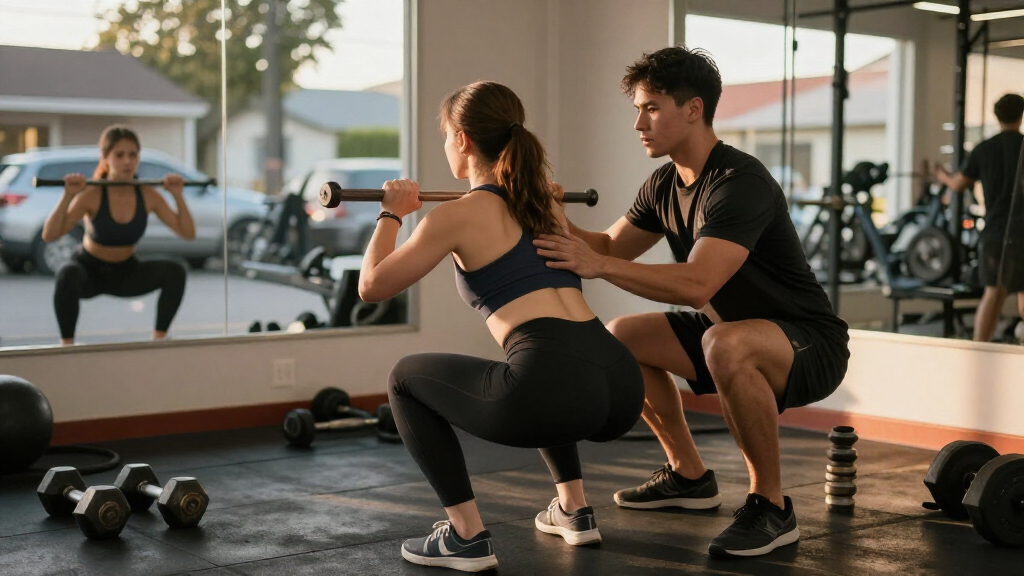
A writer for The Good Trade recounts hiring a personal trainer for three months after pregnancy, birth and breastfeeding left her feeling disconnected from exercise. Her account describes how individualized strength training and a supportive coaching relationship helped her regain confidence in her body; it is a personal report, not a clinical study.
The Good Trade published a first-person account by a mother who hired a personal trainer for three months after pregnancy, birth and breastfeeding left her feeling uncertain about exercise. She says the twice-weekly sessions helped her rebuild core strength and confidence, offering a personal example of how individualized coaching can address both physical limits and fear of injury.
The writer says that across roughly five years spent pregnant, postpartum and breastfeeding, her body and mind changed enough that the exercise routines that had worked before no longer felt suited to her. After months of struggling to maintain a routine, she and her husband used part of their childcare budget to hire a trainer for the summer. She attended sessions every Tuesday and Thursday morning.
Her account describes significant physical challenges during and after pregnancy. She says she experienced hyperemesis gravidarum during both pregnancies, had a 26-hour labor with her daughter and a precipitous unmedicated birth with her son. After delivery, she experienced pelvic pain that eased when she strength trained consistently, as well as abdominal separation that made rebuilding core strength difficult. She says she had little time to process these experiences before beginning training.
The sessions began with core exercises. The writer says she watched for abdominal coning and found the foundational work exhausting. Because she no longer knew where her limits were, she had feared pushing herself and getting hurt. She describes relying on her trainer to adjust the work and guide progression. The account does not report medical outcomes or quantify changes in strength.
Coaching Built Around One Body
The account highlights a practical issue for people returning to exercise after pregnancy or other major bodily changes: knowing how to begin can be as difficult as finding time to exercise. The writer says she was afraid to push herself because she could not tell where her limits were. In her experience, working one to one let her focus on attending sessions while her trainer helped shape the exercises.
Her emphasis is also on the relationship with the trainer. She describes needing flexible guidance aligned with her goals, fears and family schedule, rather than pressure to complete the hardest possible workout. That perspective may help readers think about communication and personal fit when choosing a trainer. It remains one person’s experience and does not establish that personal training produces the same results for others.
Returning After Pregnancy
The writer frames her return to exercise against pregnancy, birth and breastfeeding, rather than as a simple lapse in motivation. She says illness during pregnancy limited her activity and that postpartum pelvic pain and abdominal separation shaped what felt manageable afterward. She also says she had not taken much time to process those experiences.
Before booking sessions, she had known her trainer online for years and appreciated her approach to exercise. During intake, the trainer asked about the writer’s lifestyle, limitations, goals and fears. The writer says the trainer considered capacity, nutrition and personal history, adapted sessions to her physical needs, and offered reassurance when she was afraid to challenge herself. She also says they tracked her menstrual cycle to coordinate workouts with its phases.
““My body and my mind had changed — what worked for me in the past needed to be overhauled and redesigned for who I am today.””
— The writer
What One Account Can Show
The report presents the writer’s own experience. It does not provide independent evidence that training improved her pelvic pain, quantify changes in strength, or establish that the trainer’s approach is appropriate for others with similar symptoms. It also does not describe a clinical assessment of her abdominal separation or report whether she sought medical care.
The writer says her pelvic pain eased with consistent strength training, but the article does not establish a cause or say that training alone produced that change. Readers cannot tell from the account how her progress would compare with another person’s or what adaptations might be needed for different postpartum conditions.
Lessons Beyond the Sessions
The account follows a three-month summer program and does not give a longer-term update on the writer’s strength, symptoms or exercise routine. Its closing advice is to look for a trainer who takes an interest in how each client’s body and mind work, adapts to individual goals and makes the work challenging but manageable. The next step for readers considering a return to exercise is to discuss their needs and limitations with an appropriate professional and ask how a trainer will adapt the plan as those needs change.
Key Questions
What prompted the writer to hire a personal trainer?
After months of difficulty maintaining an exercise routine, she felt that pregnancy, birth and breastfeeding had changed what her body needed. She wanted support rebuilding strength and learning her limits.
How long did the training last?
The writer planned to work with the trainer for three months over the summer, attending sessions every Tuesday and Thursday morning.
What did the sessions focus on at first?
They began with rebuilding core strength. The writer says she monitored her abdominal separation during the exercises and found the early work tiring.
What did the trainer do besides lead workouts?
The writer says the trainer asked about her goals, lifestyle, limitations and fears, adapted exercises to her physical needs, and offered reassurance when she was hesitant to push herself.
Does the article show that personal training will help everyone after pregnancy?
No. It reports one person’s experience and does not establish typical outcomes or offer clinical evidence that the approach will work for others.
Source: rss
NFL season / tailgating Picks
team gear
As an affiliate, we earn on qualifying purchases.