TL;DR
A surge in UV protective lifestyle accessories is influencing consumer choices, driven by increased awareness of sun safety. Companies are expanding product lines, but regulatory standards remain evolving.
Consumer demand for UV protective lifestyle accessories is increasing as awareness of sun safety risks grows. Brands are expanding their product offerings, including clothing, hats, and accessories, to meet this demand. This trend is shaping a new segment within the personal care and fashion industries, with significant implications for both consumers and manufacturers.

Get the little things that make your day delivered free with Prime
- Fast, free delivery on millions of items
- Prime Video, Amazon Music and more included
- Member-only deals all year
Implications for Consumer Health and Fashion Markets
The rise of UV protective accessories reflects a broader shift toward health-conscious consumer behavior, emphasizing prevention of skin damage and skin cancer. This trend has the potential to influence public health outcomes by encouraging more widespread use of sun protection in daily life. For the fashion industry, it presents an opportunity to innovate with stylish, functional products that blend health benefits with personal style. However, inconsistent standards and marketing claims could pose challenges for consumer trust and product efficacy.
Popular right now

Samsung 65-Inch 4K OLED Smart TV with Dolby Atmos, 120Hz Refresh Rate, and Amber Protection Bundle

LG OLED evo C4 55-Inch 4K Smart OLED TV (OLED55C4PUA) with 144Hz Refresh Rate, HDMI Cable, 24-Month Protection Plan, and Streaming Bundle

Ninja Prestige Smart XL 10-in-1 Air Fryer and Countertop Oven with Pro Cook System, Stainless Steel, DT551
As an affiliate, we earn on qualifying purchases.
Growing Awareness and Industry Response to Sun Safety
Over the past decade, public awareness campaigns about skin cancer and photoaging have increased significantly. Governments and health organizations worldwide have promoted sun safety, leading to higher demand for protective clothing and accessories. In response, many apparel brands have introduced UPF-rated clothing, and accessory makers have launched UV-protective hats, sunglasses, and skincare products. The market expansion is also driven by outdoor activity trends and a rising interest in wellness lifestyles. Nonetheless, the regulatory landscape remains fragmented, with no universally accepted standards for UV protection claims, which complicates consumer choices and industry regulation.
“While UV protective clothing can significantly reduce skin damage, consumers should look for products with verified UPF ratings to ensure effectiveness.”
— Dr. Laura Chen, Dermatologist
Standards and Certification of UV Protective Products
It remains unclear how widely standardized testing and certification for UV protection are across brands and regions. The lack of a unified regulatory framework means that product claims may vary in accuracy, and consumers may find it challenging to verify the UV protection efficacy of certain items. Industry experts call for clearer standards and independent testing to ensure consumer trust and product reliability.
Expected Industry Developments and Regulatory Clarifications
Moving forward, industry stakeholders anticipate the development of more standardized testing protocols and certification processes for UV protective products. Regulatory agencies may introduce clearer guidelines to prevent misleading claims, which could enhance consumer confidence. Additionally, brands are likely to continue innovating in design and functionality, making UV protection more accessible and fashionable for a broader audience. Monitoring these changes will be key to understanding the future landscape of UV protective accessories.
Key Questions
How can I verify if a UV protective clothing is effective?
Look for products with verified UPF ratings from reputable testing organizations. Check for labels indicating UPF certification and review product details for independent testing results.
Are UV protective accessories suitable for everyday use?
Yes, many UV protective accessories are designed for daily wear and combine style with sun safety, making them suitable for outdoor activities, commuting, and casual outings.
Is UV protection necessary in cloudy weather?
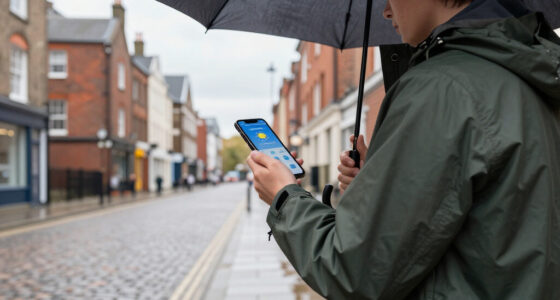
Yes, up to 80% of UV rays can penetrate clouds, so protective clothing and accessories are recommended even on overcast days, especially during peak sunlight hours.
Are there any risks associated with UV protective clothing?
Generally, UV protective clothing is safe. However, ensure the product is properly rated and maintained, as damage or improper care can reduce its effectiveness.
Source: rss