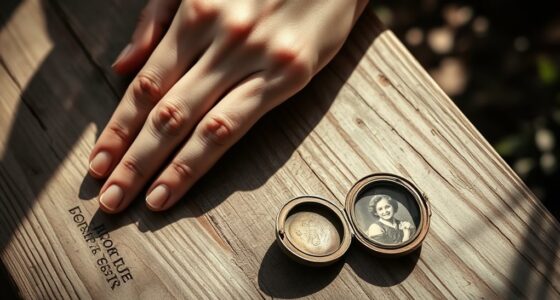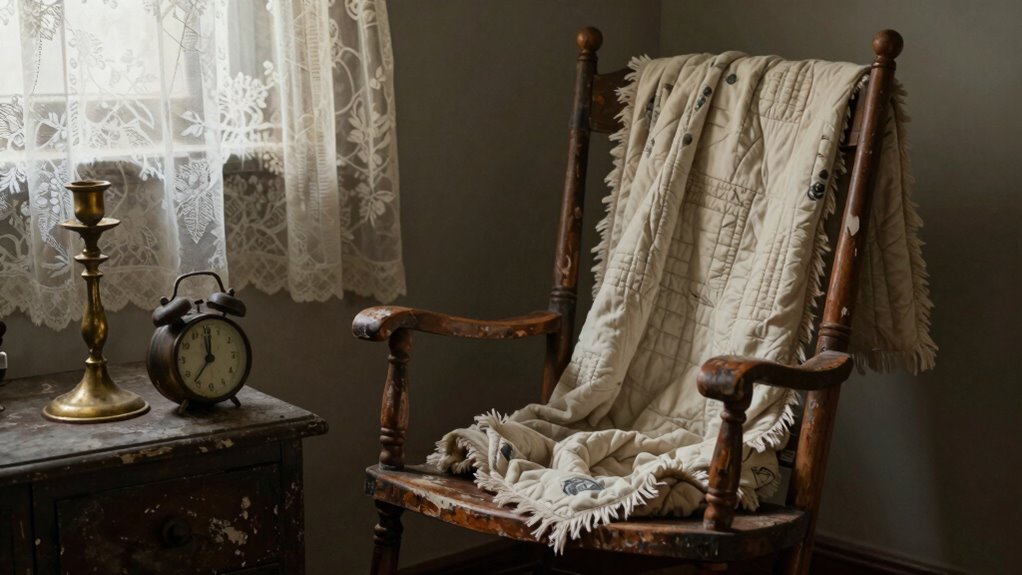

You turn your home objects into memory objects over time through repeated interactions and emotional connections. As you associate items with milestones, special moments, or loved ones, they become symbols of your personal history. These objects capture feelings, stories, and nostalgia, growing more meaningful with each encounter. Over time, they reflect your identity and serve as tangible links to your past. The more you explore their significance, the deeper their emotional value is likely to become.

Get the little things that make your day delivered free with Prime
- Fast, free delivery on millions of items
- Prime Video, Amazon Music and more included
- Member-only deals all year
Key Takeaways
- Objects linked to significant life events or milestones develop deeper emotional associations over time.
- Repeated interactions and memories attached to objects strengthen their role as memory carriers.
- Objects connected to personal or family history serve as tangible links to identity and past experiences.
- Nostalgic and emotional value increases as objects evoke specific memories or feelings from the past.
- Cultural, environmental, and contextual factors reinforce the emotional significance of objects over time.
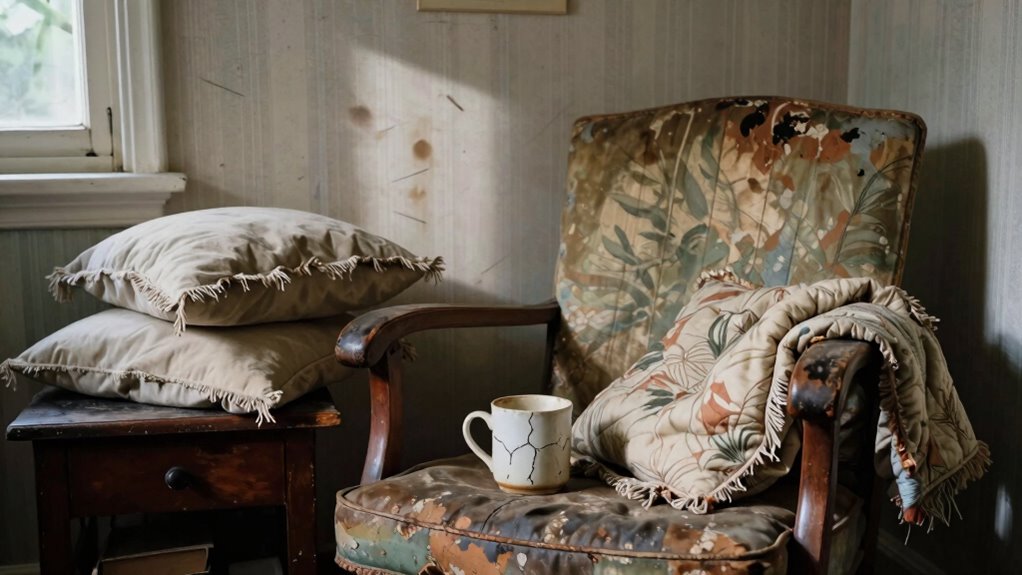
Many home objects serve as more than simple everyday items; they act as tangible anchors to our memories, capturing moments and emotions over time. When you look at a well-worn photograph, a childhood toy, or a family heirloom, you’re not just seeing an object—you’re reconnecting with a specific time, place, or person. These objects become repositories of emotional attachment, holding the feelings and experiences attached to them long after the moment has passed. Over time, as you interact with these items, their significance deepens, transforming from mere possessions into powerful symbols of your past. Their nostalgic value is what keeps them close to your heart, evoking feelings of warmth, longing, or joy whenever you encounter them.
As you grow older, you might notice that certain objects gain more emotional weight, especially those linked to pivotal moments in your life—your childhood, a loved one’s presence, or a milestone achievement. These objects serve as tangible reminders of your personal history, allowing you to relive cherished memories even when the moment has faded from active memory. The more you associate an object with a specific emotion or experience, the stronger your emotional attachment becomes. This attachment isn’t just sentimental; it’s rooted in the way these objects encapsulate stories and feelings that words often can’t fully express. Their nostalgic value isn’t static; it evolves as your life changes, often increasing as they become symbols of a simpler time or a meaningful relationship.
You might find yourself holding onto certain objects longer than necessary, not just because they’re useful, but because they carry emotional weight that’s hard to replace. A family heirloom, for instance, might connect you to generations past, anchoring your identity within a broader family history. Similarly, an old journal or a handwritten note might preserve the tone and emotions of a particular period, making it a treasured memory object. Over time, these items become more than relics—they become extensions of your identity and emotional landscape. Their nostalgic value and emotional attachment turn everyday objects into powerful tools for reflection, helping you preserve your personal narrative across the years. Interestingly, some objects also gain additional value over time, especially when their significance is reinforced by cultural or personal contexts. This emotional attachment can deepen with shared stories or family traditions, strengthening their place in your personal history. Understanding the psychology of memory sheds light on why certain objects hold such profound significance. Incorporating elements like landscaping or meaningful settings can further enhance the emotional connection to these objects within your home environment. This awareness of how memories form helps explain why certain objects resonate more deeply and why they become treasured over time. In the end, these objects aren’t just things—they’re tangible links to the moments that shape who you are.
As an affiliate, we earn on qualifying purchases.
Frequently Asked Questions
How Do Personal Experiences Influence the Memory of Home Objects?
Your personal experiences shape how you remember home objects by creating emotional associations and personal narratives. When you associate an item with a special moment or feeling, it becomes more meaningful, reinforcing its memory. These emotional ties deepen over time, making the object a tangible connection to your past. Your unique stories and feelings transform ordinary objects into powerful symbols of your life, preserving your memories in a lasting, personal way.
Can Physical Object Deterioration Affect Their Emotional Significance?
Object decay can considerably affect their emotional impact. As objects deteriorate, you might feel a sense of loss or nostalgia, because their physical decline symbolizes fading memories. The deterioration reminds you of moments gone by, intensifying emotional bonds or feelings of sadness. This physical change often deepens your connection, making the object’s emotional significance more profound, even as its physical form weakens.
How Do Cultural Differences Shape Our Attachment to Household Items?
Cultural differences act like invisible threads, weaving unique meanings into your household items. You might see a teapot as mere material, but in some cultures, it’s a vessel of heritage and tradition, embodying cultural symbolism. Your attachment deepens as these objects transform from simple material significance into symbols of identity, memories, and belonging. They become more than things; they’re storytellers, anchoring your connection to your cultural roots.
What Role Does Nostalgia Play in Transforming Objects Into Memories?
Nostalgia plays a vital role in transforming objects into memories by infusing them with sentimental value and emotional nostalgia. When you hold onto certain items, you activate feelings from the past, making these objects symbols of personal history. This emotional connection deepens their significance, turning everyday objects into cherished memory objects that evoke feelings of comfort, identity, and longing, even long after their original use has faded.
Are There Specific Objects More Likely to Become Cherished Memories?
Certain objects are more likely to become cherished memories because of their sentimental value or symbolic meaning. You might find that items like family heirlooms, childhood toys, or gifts from loved ones hold special significance. These objects serve as tangible connections to your past, evoking emotions and memories. Their personal significance makes them more than just objects—they become treasured symbols of your experiences and relationships over time.
As an affiliate, we earn on qualifying purchases.
Conclusion
As you reflect on your childhood teddy or that vintage clock, you realize how home objects become memory objects over time. They transform from simple items into symbols of moments and feelings, like a Polaroid capturing a scene long gone. Over the years, these objects anchor your memories, turning everyday possessions into timeless keepsakes. Just as a lighthouse guides ships through fog, your cherished objects steer your memories through life’s ebb and flow, forever anchoring your story.
As an affiliate, we earn on qualifying purchases.
As an affiliate, we earn on qualifying purchases.
NFL season / tailgating Picks
team gear
As an affiliate, we earn on qualifying purchases.