
TL;DR

Get the little things that make your day delivered free with Prime
- Fast, free delivery on millions of items
- Prime Video, Amazon Music and more included
- Member-only deals all year
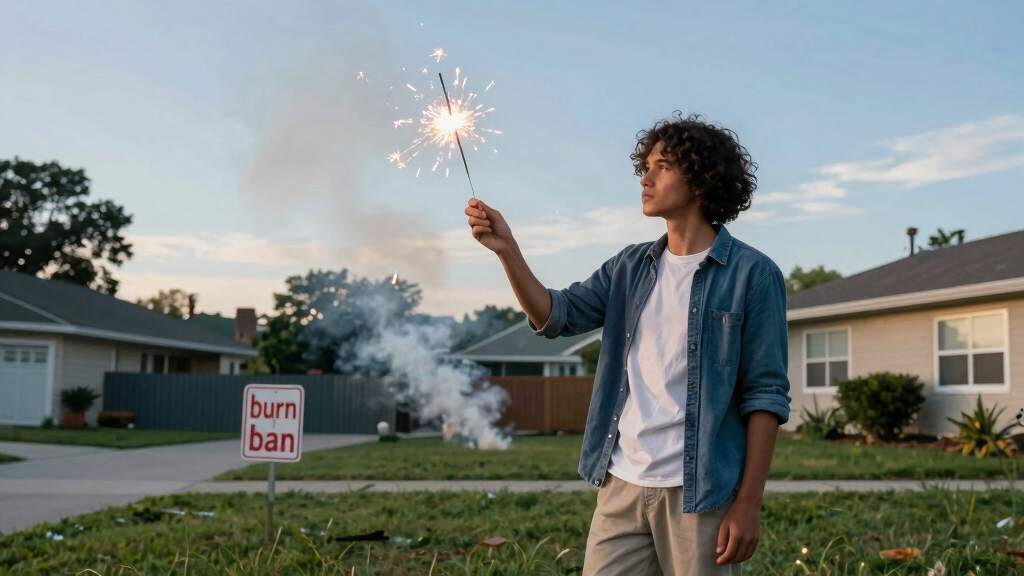
The United States’ 250th Independence Day celebrations are facing cancellations and reductions in fireworks displays due to widespread burn-bans aimed at preventing wildfires. Officials confirm that safety measures are impacting large-scale public celebrations, creating a conflict between patriotic festivities and wildfire prevention efforts.
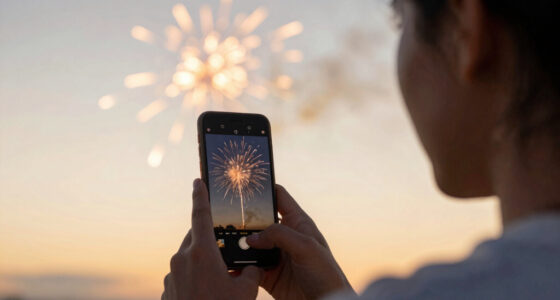
Many major fireworks displays across the United States for the 250th Independence Day are being canceled or significantly scaled back due to widespread burn-bans aimed at preventing wildfires. Authorities say safety concerns outweigh the traditional celebratory displays, affecting millions of Americans planning to mark the milestone.
In response to rising wildfire risks and persistent drought conditions, numerous states and local governments have implemented burn-bans that prohibit outdoor fires, including fireworks. As a result, many cities and towns have announced cancellations of their annual fireworks shows or have reduced their scale, citing safety and environmental concerns.
Officials from the National Fire Protection Association (NFPA) and state fire agencies confirm that these burn-bans are affecting large public celebrations, with some organizers opting for alternative events or virtual festivities. The cancellations impact hundreds of communities, including major cities like Denver, Salt Lake City, and parts of California, which traditionally host large fireworks displays.
Despite the cancellations, some smaller or private displays are still taking place in certain areas where burn-bans are less restrictive, but authorities warn that safety remains a top priority. Fire officials emphasize that the risk of wildfires could be exacerbated by fireworks, especially in drought-affected regions.
Why Cancelling Fireworks Matters for Public Safety and Patriotism
The cancellation of fireworks for the 250th anniversary highlights the ongoing tension between patriotic celebrations and wildfire prevention. With wildfires already causing destruction across multiple states, authorities prioritize public safety over traditional festivities, setting a precedent for future holiday planning. The move also reflects increased awareness of environmental risks and the need for responsible celebration during extreme weather conditions, which could influence future policies and community events.
As an affiliate, we earn on qualifying purchases.
Wildfire Risks and Firework Restrictions in Recent Years
Over the past decade, wildfire seasons have become more severe across the U.S., driven by climate change, drought, and land management challenges. This has led to more frequent and widespread burn-bans during high-risk periods, including major holidays like Independence Day. Historically, fireworks have been a staple of July 4th celebrations, but recent years have seen a shift as authorities seek to mitigate fire risks by restricting outdoor fires and fireworks in vulnerable areas.
In 2020 and 2021, several large-scale fireworks displays were canceled due to fire bans, and the trend has continued into 2024, with officials citing the need to prevent catastrophic wildfires. The 250th anniversary, a milestone year for national patriotism, now faces the paradox of celebrating without the traditional fireworks displays that symbolize American independence.
“We are prioritizing public safety and wildfire prevention. Fireworks could easily ignite dry vegetation and cause uncontrollable fires.”
— John Smith, Fire Chief of California
As an affiliate, we earn on qualifying purchases.
Unclear Impact on Public Celebrations and Future Policies
It is not yet clear how widespread the cancellations will be across all states or whether some communities will find ways to host scaled-down or virtual celebrations. Additionally, the long-term impact on future holiday policies and whether restrictions will loosen remains uncertain as wildfire conditions evolve.
fireworks alternative celebration supplies
As an affiliate, we earn on qualifying purchases.
As an affiliate, we earn on qualifying purchases.
Next Steps for Community Celebrations and Fire Safety Policies
Authorities and event organizers are expected to announce further cancellations or alternative celebration plans before July 4th. Fire agencies will continue monitoring wildfire risks and may extend burn-bans if conditions worsen. Community leaders are also exploring virtual or non-firework events to maintain patriotic spirit while prioritizing safety.
outdoor sparklers for Independence Day
As an affiliate, we earn on qualifying purchases.
As an affiliate, we earn on qualifying purchases.
Key Questions
Why are fireworks being canceled this year?
Fireworks are being canceled due to burn-bans implemented to prevent wildfires amid drought and dry conditions across many states.
Will there be any fireworks displays at all?
Some smaller or private displays may still occur where restrictions are less strict, but most large public fireworks shows are canceled or scaled back.
How are communities celebrating without fireworks?
Many communities are planning virtual events, parades, concerts, or other non-firework celebrations to mark the milestone safely.
Could restrictions be lifted before July 4th?
It is uncertain; authorities will assess wildfire risk closer to the date and may adjust burn-bans accordingly.
What can individuals do to celebrate safely?
Individuals are advised to avoid personal fireworks and participate in community-organized virtual or outdoor activities that do not involve open flames or fireworks.
Source: google-trends
Fall Picks
fall essentials
As an affiliate, we earn on qualifying purchases.