

TL;DR
A recent focus on emotional maturity highlights how adults can improve their emotional responses regardless of age. Recognizing past hurts and practicing self-awareness are key steps, according to expert Lindsay C Gibson. This development matters as it offers a pathway to healthier relationships and personal growth.
Recent discussions on emotional maturity emphasize that adults can develop greater emotional awareness and healthier responses at any age, challenging the notion that maturity is fixed by childhood. Experts like Lindsay C Gibson highlight that recognizing past hurts and practicing self-awareness are crucial steps, which can transform personal relationships and parenting approaches.
Following a surge in interest during the COVID-19 pandemic, a renewed focus on emotional maturity has emerged, driven by the popularity of books like Lindsay C Gibson’s ‘Adult Children of Emotionally Immature Parents.’ Gibson, a psychologist and author, explains that emotional immaturity in parents can be addressed through self-awareness and intentional repair, such as apologizing and understanding developmentally appropriate responses at each age.
Gibson emphasizes that recognizing children as sentient beings capable of feeling pain is essential for fostering their emotional health. Her advice includes taking children’s anxieties seriously, encouraging autonomy, and understanding developmental capabilities. She also notes that it’s never too late for adults to begin responding more positively to love and respect, citing examples of rehabilitation in correctional settings.
One notable example she shares is a mother who apologized to her child for harsh potty training, which helped reshape the child’s self-perception. Gibson herself practiced this approach with her son, apologizing for her parenting mistakes, aiming to help him develop a healthier self-image. She stresses that emotional maturity is a spectrum, and everyone can improve with effort, especially during stressful times when people tend to regress.
Why It Matters
This focus on emotional maturity is significant because it offers a pathway for adults and parents to repair past damage and build healthier relationships. Understanding that emotional growth is possible at any age challenges the fixed mindset some hold about maturity and provides hope for personal development, mental health, and better parenting outcomes.
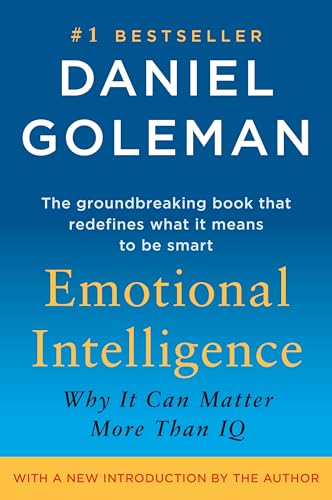
Emotional Intelligence: Why It Can Matter More Than IQ
As an affiliate, we earn on qualifying purchases.
As an affiliate, we earn on qualifying purchases.
Background
The renewed interest in emotional maturity gained prominence during the COVID-19 pandemic, when many reflected on personal and familial relationships. The publication of Gibson’s books, especially her 2020 bestseller, coincided with a broader societal focus on mental health and emotional well-being. Historically, emotional development was often viewed as complete in childhood, but recent research and expert opinion now support ongoing growth through adulthood.
“If you have an emotionally immature parent, it doesn’t mean that you’re doomed. However, you’ve probably learned emotionally immature attitudes and behaviours that may pop out at times.”
— Lindsay C Gibson
“It’s never too late, but you do have to keep in mind that people form a model of the world early in life, and changing that can be hard but is possible.”
— Lindsay C Gibson
“Children are sensitive, sentient; they feel things just as acutely as an adult does.”
— Gibson
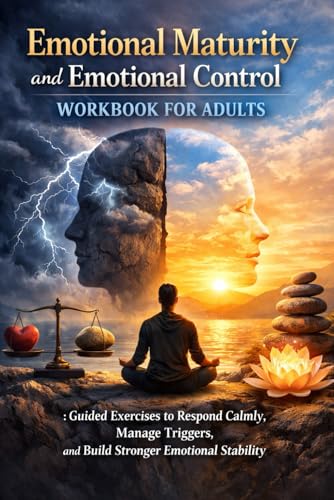
Emotional Maturity and Emotional Control Workbook for Adults: Guided Exercises to Respond Calmly, Manage Triggers, and Build Stronger Emotional Stability
As an affiliate, we earn on qualifying purchases.
As an affiliate, we earn on qualifying purchases.
What Remains Unclear
It remains unclear how widespread the adoption of these emotional maturity practices is among the general population, and how effective different approaches are across diverse cultural and socioeconomic contexts.

MY APOLOGY & FORGIVENESS JOURNAL: A Path to Healing & Reconciliation
As an affiliate, we earn on qualifying purchases.
As an affiliate, we earn on qualifying purchases.
What’s Next
Experts anticipate increased public engagement with emotional intelligence practices, including workshops, therapy, and parenting programs. Future research may further clarify the most effective methods for fostering emotional maturity in adults and children, with ongoing discussions about integrating these principles into education and mental health services.

Allura & Arcia 52 Stress Less & Self Care Cards – Mindfulness & Meditation Exercises – Anxiety Relief & Relaxation
52 EASY EXERCISES FOR EVERYONE: This unique Self Care Deck contains 52 extremely effective exercises for mindfulness, meditation,…
As an affiliate, we earn on qualifying purchases.
As an affiliate, we earn on qualifying purchases.
Key Questions
Can adults really change their emotional maturity?
Yes, research and expert opinion suggest that emotional maturity can be developed at any age through self-awareness, reflection, and intentional practice.
What are practical steps to become more emotionally mature?
Practicing self-awareness, recognizing and repairing past hurts, and understanding developmental stages are key steps, as recommended by Lindsay C Gibson and mental health professionals.
Does emotional immaturity in parents affect children long-term?
It can, but repair and conscious parenting can mitigate long-term impacts, especially if parents acknowledge their mistakes and foster emotional understanding.
Is it too late to improve if I had an emotionally immature childhood?
No, it is never too late. Adults can work on emotional growth through therapy, self-help, and conscious effort, regardless of past experiences.