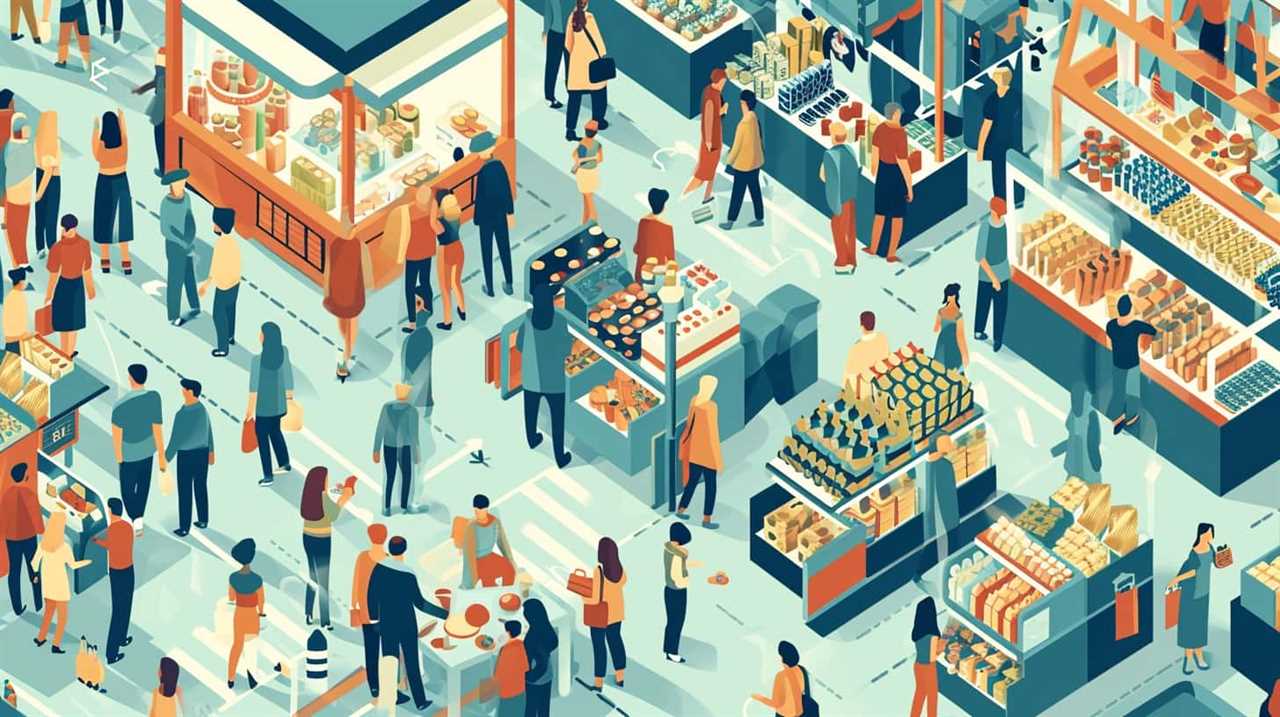

Markets and trade reflect our human nature, driven by self-interest and mutual benefit. As Milton Friedman said, the main goal is profit, shaping industries and creating jobs. Yet, as John Maynard Keynes warned, markets can be unpredictable, influenced by emotions rather than logic. Understanding that every decision involves trade-offs, as Thomas Sowell emphasizes, can lead to better choices. Explore quotes from great thinkers to deepen your grasp of how commerce and human motivations intertwine.

Get the little things that make your day delivered free with Prime
- Fast, free delivery on millions of items
- Prime Video, Amazon Music and more included
- Member-only deals all year
Key Takeaways
- Adam Smith highlights that self-interest drives trade, emphasizing the mutual benefits that shape market dynamics.
- Milton Friedman asserts that the primary goal of business is profit, influencing societal norms and job creation.
- John Maynard Keynes warns that irrational market behavior can persist longer than solvency, reflecting human emotions.
- Thomas Sowell points out that every decision in trade involves trade-offs, requiring an understanding of potential benefits and drawbacks.
- Engaging with quotes from various thinkers enriches our understanding of the intricate relationship between commerce and human nature.

Markets and trade shape our economies and influence our daily lives, so it’s no surprise that many thinkers have shared profound insights on these topics. You might find that engaging with these quotes can deepen your understanding of market dynamics and trade impact, revealing how they intertwine with human nature. Each quote reflects a unique perspective, reminding you that the ebb and flow of commerce isn’t just about numbers; it’s about people.
Consider Adam Smith, who famously said, “It is not from the benevolence of the butcher, the brewer, or the baker that we expect our dinner, but from their regard to their own interest.” This insight captures the essence of market dynamics—self-interest drives trade. You’re likely to see this principle at play in your everyday interactions, where everyone seeks mutual benefit, fostering a complex web of exchanges. When you understand this, you realize that trade isn’t just a transactional affair; it’s a dance of human motivations.
Another notable quote comes from Milton Friedman, who stated, “The business of business is to make profits.” It’s a straightforward yet powerful reminder that the ultimate goal of trade is economic gain. This perspective can make you think about how businesses adapt and evolve in response to market demands. The trade impact extends beyond profits; it shapes industries, creates jobs, and even influences societal norms. Recognizing this connection can change how you view the products and services you engage with daily.
The ultimate aim of trade is economic gain, shaping industries and influencing societal norms in profound ways.
Then there’s John Maynard Keynes, who asserted, “The market can stay irrational longer than you can stay solvent.” This serves as a cautionary tale about the unpredictability of market dynamics. You might find it resonates with the highs and lows you experience in life, reminding you that while markets can be influenced by rational thought, emotions and human behavior often drive them off course.
Lastly, consider the wisdom of Thomas Sowell, who said, “There are no solutions. There are only trade-offs.” This quote underscores the inherent compromises in trade and market decisions. As you navigate your personal and professional life, this insight can help you appreciate the complexities involved in every choice you make.
As an affiliate, we earn on qualifying purchases.
Frequently Asked Questions
How Do Markets Influence Human Behavior Beyond Trade?
Markets influence your behavior by shaping your decisions and social interactions. Market dynamics affect how you perceive value, driving consumer motivation. Behavioral economics shows that your choices aren’t just about price; they’re influenced by social norms and peer behaviors. You often adjust your preferences based on what others are doing, making markets a powerful force in your everyday life. Ultimately, the way you engage with markets reflects deeper human instincts and connections.
What Historical Events Shaped Modern Market Theories?
You’ll see that historical events like the Industrial Revolution and the Great Depression shaped modern market theories considerably. While mercantilism origins focused on state control, globalization’s impact shifted towards free trade. Trade agreements emerged as a way to balance these changes, illustrating the tension between regulation and freedom. As you explore these events, remember how they juxtapose economic control with the need for openness, ultimately influencing today’s market dynamics.
Are There Cultural Differences in Trade Practices?
Yes, there are significant cultural differences in trade practices. In some cultures, negotiation styles emphasize relationship-building and trust, while others focus on directness and efficiency. Risk tolerance varies too; some cultures are more open to uncertainty, impacting decision-making. Communication barriers often arise from differing value perceptions, affecting how offers and agreements are interpreted. Embracing these differences enhances cultural exchange and leads to more successful trade relationships, ensuring mutual understanding and respect.
How Do Psychological Factors Affect Market Decisions?
Psychological factors mess with your market decisions more than you’d think. You might fall victim to cognitive biases or get swept up in emotional trading, driven by that charming herd mentality. Decision fatigue can cloud your judgment, making you overlook risks that seem small. And let’s not forget the overconfidence effect, where you’re convinced you know it all. So, while you’re trading, remember: your mind might just be your worst enemy.
What Role Do Ethics Play in Trading Practices?
Ethics play an essential role in trading practices, guiding your decisions amidst ethical dilemmas. When you face situations that challenge your moral responsibility, you must weigh profit against integrity. Making ethical choices not only builds trust with clients but also fosters a sustainable market environment. By prioritizing ethics, you can navigate complex scenarios effectively, ensuring your actions align with both personal values and broader societal expectations. Ultimately, ethics shape a healthier trading landscape.
trade and human nature quotes poster
As an affiliate, we earn on qualifying purchases.
As an affiliate, we earn on qualifying purchases.
Conclusion
In exploring the best quotes about markets, trade, and human nature, you’ll find that these insights reveal much about our collective behavior. Did you know that over 90% of global trade happens through just 10 major shipping routes? This statistic underscores the interconnectedness of our economies and the profound impact of trade on our daily lives. As you reflect on these quotes, consider how they shape your understanding of the market dynamics that influence us all.
business profit motivation poster
As an affiliate, we earn on qualifying purchases.
As an affiliate, we earn on qualifying purchases.
As an affiliate, we earn on qualifying purchases.
NFL season / tailgating Picks
team gear
As an affiliate, we earn on qualifying purchases.