

Zeno of Citium shows you that true well-being comes from small, consistent steps rooted in virtue. By practicing virtues like wisdom, courage, justice, and temperance daily, you’ll build resilience and inner peace over time. It’s not about quick fixes but ongoing, mindful efforts that lead to lasting fulfillment. If you stay committed to these small acts, you’ll discover how they add up to a truly meaningful life—more than just small steps.
Key Takeaways
- Small, deliberate actions rooted in virtue lead to lasting well-being and inner peace.
- Consistent daily efforts in practicing virtues like wisdom and temperance build resilience.
- Ethical living aligned with nature and reason transforms small steps into profound personal growth.
- Mindful, ongoing progress cultivates inner harmony, making well-being truly no small thing.
- Long-term happiness emerges from cumulative, disciplined efforts rather than immediate changes.
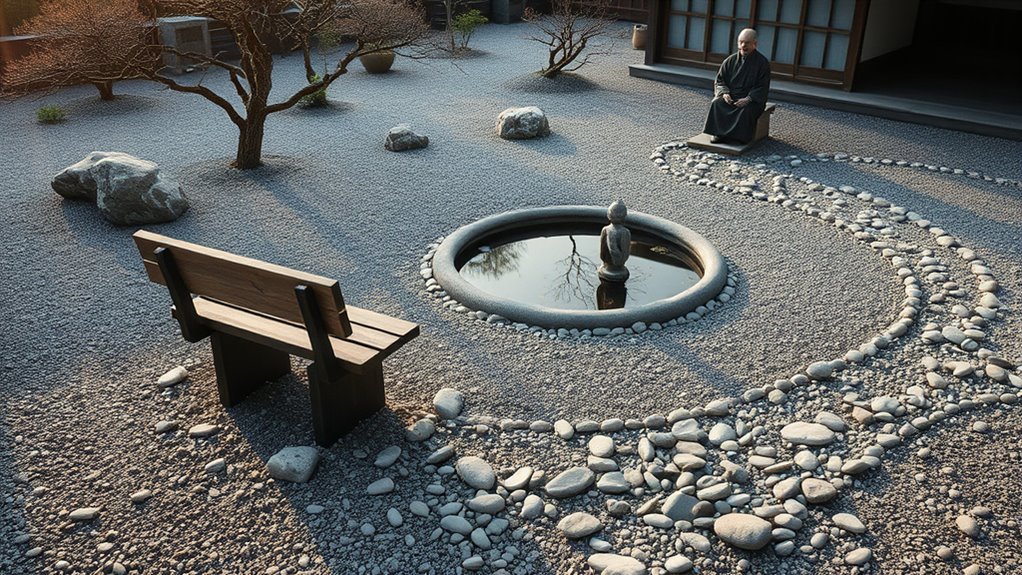
Have you ever wondered who founded one of the most influential schools of ancient philosophy? It’s Zeno of Citium, a thinker whose ideas still resonate today. His approach centers on the idea that well-being is achieved through small, deliberate steps, and that true fulfillment isn’t a grand event but a continuous process. When you explore his teachings, you’ll see that he believed ethical living was the foundation of a good life. This means cultivating virtues that guide your actions and decisions, making each day a conscious effort toward harmony and inner peace.
Zeno emphasized the importance of Stoic virtues—wisdom, courage, justice, and temperance—as the pillars of ethical living. These virtues aren’t just abstract ideals; they’re practical qualities you can develop through discipline and reflection. For example, practicing temperance helps you control impulses, fostering patience and moderation. Showing justice means treating others fairly, which builds trust and social harmony. Wisdom guides you to discern what truly matters, steering you away from superficial pursuits, while courage enables you to face life’s challenges head-on. Zeno believed that by consistently practicing these virtues, you gradually align your life with nature and reason, leading to tranquility despite external chaos.
Practicing virtues like wisdom, courage, justice, and temperance fosters harmony and resilience in daily life.
What makes Zeno’s philosophy powerful is his belief that progress doesn’t require sweeping changes. Instead, he advocates for small, consistent efforts—each action rooted in virtue—that accumulate over time. Think of it like a daily habit forming process: a little patience here, a moment of gratitude there, a choice to act justly in a difficult situation. These small steps may seem insignificant on their own, but combined, they forge a resilient character and a peaceful mind. This approach makes ethical living accessible, not overwhelming. You don’t need to overhaul your entire life overnight; you simply need to commit to ongoing, mindful improvements.
Zeno’s teachings remind you that genuine well-being isn’t a fleeting feeling but a state cultivated through intentional effort. Each small act rooted in virtue contributes to your overall sense of harmony and purpose. He believed that by embracing Stoic virtues and practicing ethical living daily, you could navigate life’s ups and downs with equanimity and resilience. Additionally, cultivating attention to detail in your actions helps identify areas for growth and reinforces your commitment to virtue. Ultimately, Zeno’s philosophy teaches that the path to a meaningful life is built step by step, and that these steps—though small—are truly no small thing when it comes to your long-term happiness and inner peace.

Epson Pro EX9270 Wireless 1080p 3LCD Projector 4,100 Lumens Color and White Brightness, Apple AirPlay, Miracast, Stream from Phone or Laptop, 2 HDMI Ports, 1.6x Optical Zoom, Built-In Speaker
Outstanding Image Size — Up to 300''—4x the size of a 75'' flat panel; elevate your Zoom video...
As an affiliate, we earn on qualifying purchases.
Frequently Asked Questions
How Does Zeno’s Philosophy Compare to Modern Mindfulness Practices?
Zeno’s philosophy parallels modern mindfulness practices by emphasizing small, deliberate steps toward well-being. Both focus on cultivating awareness and self-control, recognizing that progress comes through consistent effort. The philosophical similarities lie in their shared goal of achieving inner peace and resilience. You’re encouraged to practice patience and presence, understanding that meaningful change builds gradually—just like Zeno suggests, even small steps can lead to profound well-being.
What Specific Small Steps Did Zeno Recommend for Achieving Well-Being?
Did you know that practicing small, consistent habits can boost your well-being by up to 30%? Zeno recommended simple steps like cultivating personal discipline through daily reflection, where you evaluate your thoughts and actions. He believed that by focusing on these small, deliberate efforts each day, you build resilience and tranquility over time. Start with just a few minutes of reflection daily, and you’ll notice meaningful progress in your overall well-being.
Can Zeno’s Teachings Be Applied to Contemporary Mental Health Issues?
Yes, Zeno’s teachings can help with contemporary mental health issues. You can develop Stoic resilience by practicing emotional regulation, learning to accept what you can’t control, and focusing on your responses. Applying small daily steps, like mindfulness and reflection, builds mental strength over time. These practices empower you to handle stress better, promoting well-being and resilience in today’s fast-paced, often challenging world.
How Did Zeno’s Stoicism Influence Later Philosophical Movements?
Zeno’s Stoicism acts as a guiding star, shaping later philosophical movements with its emphasis on ethical virtue and Stoic resilience. You can see its influence in the development of Roman Stoics like Seneca and Marcus Aurelius, who championed inner strength and moral integrity. This legacy promotes the idea that mastering oneself and embracing virtue leads to tranquility, inspiring modern ideas about mental resilience and ethical living.
Are There Practical Daily Routines Inspired by Zeno’s Philosophy?
Yes, you can adopt practical daily routines inspired by Zeno’s philosophy. Start with mindful routines, such as meditation or deep breathing, to cultivate inner calm. Incorporate daily reflections to assess your actions and values, helping you stay aligned with virtue. These small steps build resilience and wisdom over time, making your well-being a continuous, intentional process. Consistently practicing these habits can lead to lasting tranquility and personal growth.

16 Inch Large Digital Picture Frame, Canupdog Digital Photo Frame with 32GB Storage Wall Mountable, Auto-Rotate, Motion Sensor Share Photo Video via App
【16 Inch Large IPS Touch Screen】Canupdog digital picture frame comes with 16 Inch large screen and HD1920*1080 resolution,...
As an affiliate, we earn on qualifying purchases.
Conclusion
So, remember, every tiny step you take toward well-being isn’t just small—it’s a monumental leap for your entire life! Like a single drop creating a tidal wave, these little actions build into a unstoppable force of happiness and peace. Don’t underestimate their power; they’re the secret weapons in your quest for greatness. Embrace each small step with gusto—because, in the grand scheme, they’re nothing less than world-changing!

Digital Picture Frame, 15.6 Inch Large Frameo Digital Photo Frame WiFi, 32GB, 1920 * 1080 IPS HD Touch Screen, Tabletop&Wall-Mounted, Share Picture Video, Birthday, Wedding, for Mom
Instant Share via Frameo APP; Connect your frame to WIFI, and share photos and videos(Max.15s) quickly via a...
As an affiliate, we earn on qualifying purchases.

pexar by Lexar WiFi Digital Picture Frame 11″ | Yahoo Tech Best Tested Frame 2026 | 2K Resolution Ultimate Clarity, Anti-Glare Touch Stunning Screen for Gifting, Share Photos/Videos via APP
Wonderful Gift for Loved Ones: The pexar Wi-Fi photo frame is the best option for photo display and...
As an affiliate, we earn on qualifying purchases.