

Famous money quotes emphasize that mastering delayed gratification is essential for building wealth. Warren Buffett points out that patience in investing leads to success, while Tony Robbins reminds you to sacrifice immediate satisfactions for long-term benefits. Benjamin Franklin adds that investing in knowledge pays the best interest. These insights highlight the power of self-control and the importance of thinking ahead. Embracing these perspectives can shape your financial future, and there’s more wisdom waiting to guide you further.
Key Takeaways
- “The stock market is designed to transfer money from the Active to the Patient,” highlighting the importance of patience in investing.
- “You must get what you want by giving up what you want at the moment,” emphasizing the necessity of sacrificing immediate satisfaction for long-term gains.
- “An investment in knowledge pays the best interest,” illustrating how delayed gratification can enhance financial literacy and future prosperity.
- Resisting impulsive decisions fosters self-control and builds wealth, leading to sustainable financial habits.
- True financial success stems from prioritizing long-term benefits over short-term pleasures, reinforcing positive financial behaviors.
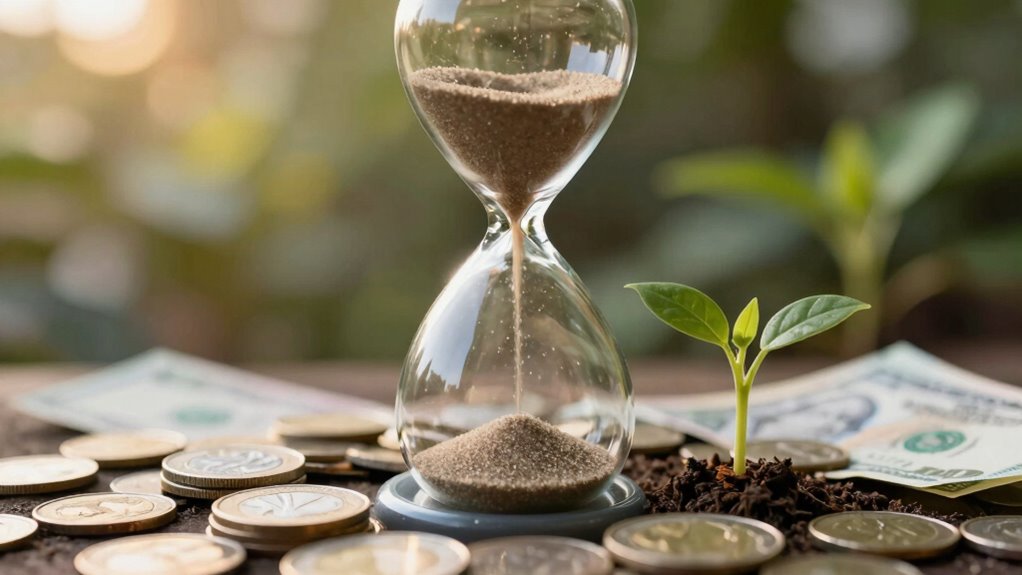
When you think about financial success, it’s clear that mastering the art of delayed gratification plays a crucial role. You’ve probably heard famous quotes about money that emphasize this point, reminding you that patience can lead to greater rewards down the line. Financial wisdom often highlights the importance of waiting for the right moment instead of rushing into impulsive decisions. This mindset not only builds your wealth but also strengthens your self-control, a key ingredient in achieving lasting success.
Take Warren Buffett, for example. He once said, “The stock market is designed to transfer money from the Active to the Patient.” This quote illustrates how patience in investing can yield substantial returns. You realize that by resisting the urge to sell or buy impulsively, you’re setting yourself up for success. Each time you choose to wait, you’re exercising self-control and demonstrating that you understand the bigger picture. Developing sustainable habits is essential for maintaining long-term financial health and consistency. Practicing financial discipline can help you avoid common pitfalls like overspending or neglecting your emergency fund, which are crucial for building wealth over time.
Another well-known figure, Tony Robbins, emphasizes the long-term benefits of delayed gratification. He mentions that “you must get what you want by giving up what you want at the moment.” This statement resonates deeply with anyone looking to build their financial future. It reminds you that every time you resist immediate satisfaction—whether it’s buying that trendy gadget or splurging on a night out—you’re making a conscious investment in your future self. This is where financial wisdom really shines through; you’re not just saving money, you’re cultivating a mindset that prioritizes long-term benefits over short-term pleasures. Recognizing the importance of long-term thinking can help reinforce these habits and lead to greater financial stability.
Consider the wisdom of Benjamin Franklin, who famously said, “An investment in knowledge pays the best interest.” By choosing to delay immediate gratification, you can invest in your education or financial literacy, setting the stage for a more prosperous life. Each book you read or course you take contributes to a wealth of metabolic health knowledge that can pay dividends later. Additionally, understanding the impact of patience on your overall decision-making can help you develop positive financial behaviors, which are crucial for lasting success. Cultivating discipline and patience in your financial habits can also positively influence other areas of your life, such as health and relationships. Developing these skills can lead to a more balanced and resilient approach to managing your overall well-being.
Incorporating these quotes into your daily life can serve as a powerful reminder of the importance of self-control. Each time you feel the urge to splurge, think of these insights. They can help anchor you in the reality that true financial success often comes from patience and the ability to delay gratification. By embracing this philosophy, you’re not just saving money—you’re building a more secure financial future. So, the next time you face a tempting choice, remember the wisdom shared by these financial giants, and let their words guide your actions.
investment books for financial literacy
As an affiliate, we earn on qualifying purchases.
As an affiliate, we earn on qualifying purchases.
Frequently Asked Questions
How Can I Practice Delayed Gratification Daily?
You can practice delayed gratification daily by focusing on mindful spending. Start by setting a budget and sticking to it, allowing yourself to think twice before making a purchase. Create a habit formation routine: each time you feel the urge to buy something unnecessary, pause and reflect on your goals. Consider saving that money for something more meaningful later. This approach helps build discipline and enhances your financial well-being over time.
What Are the Psychological Benefits of Delayed Gratification?
Delayed gratification boosts your mental resilience and emotional regulation. Studies show that kids who waited for a bigger reward were 30% more likely to succeed later in life. By practicing self-control strategies, you strengthen your ability to manage impulses, leading to better decision-making. You’ll find that the more you delay immediate pleasures, the more you cultivate patience and satisfaction, ultimately enhancing your overall well-being and paving the way for future success.
How Does Delayed Gratification Affect Financial Decision-Making?
Delayed gratification sharpens your financial decision-making by enhancing your impulse control and fostering financial foresight. When you resist immediate temptations, you’re more likely to save for future goals or invest wisely. This approach helps you avoid costly mistakes driven by short-term desires. Ultimately, practicing delayed gratification empowers you to make informed choices that lead to long-term financial stability and success. You’ll find that patience pays off in the end.
Can Children Learn Delayed Gratification Effectively?
Yes, children can learn delayed gratification effectively. You can help by modeling patience and setting examples in your own financial decisions. Childhood influences, like family habits and values, shape their understanding of waiting for rewards. Be mindful of peer pressure, too; it can push them toward immediate gratification. Encourage discussions about saving and long-term goals, reinforcing that waiting often leads to greater rewards. Your guidance is key in developing this important skill.
What Are Common Obstacles to Practicing Delayed Gratification?
When it comes to practicing delayed gratification, you often face a few roadblocks. Impulse control can be tough, especially when temptation knocks at your door. Without future planning and effective goal setting, it’s easy to lose sight of your long-term rewards. Emotional regulation plays an essential role, too; managing your feelings helps strengthen your resistance to immediate desires. Remember, success often comes to those who can wait for the best rewards down the line.
delayed gratification savings tools
As an affiliate, we earn on qualifying purchases.
As an affiliate, we earn on qualifying purchases.
Conclusion
In the end, embracing delayed gratification can lead to greater rewards. It teaches you patience, cultivates discipline, and fosters long-term success. So remember, every time you choose to wait rather than rush, you’re investing in your future. You’re building a foundation for wealth, nurturing your dreams, and creating opportunities. By prioritizing the long game, you’re not just saving money; you’re shaping your destiny. Choose wisely today, and reap the benefits tomorrow.
long-term investing guides
As an affiliate, we earn on qualifying purchases.
As an affiliate, we earn on qualifying purchases.
financial discipline planners
As an affiliate, we earn on qualifying purchases.
As an affiliate, we earn on qualifying purchases.