
The Thunderbolts demonstrate how power can be a double-edged sword, blurring the line between heroism and villainy. Their stories reveal the danger of false virtue, showing that those who seem righteous may hide darker motives. You’ll see that true heroism involves maneuvering moral gray areas and accepting the risks of wielding such power responsibly. If you want to explore how their actions challenge traditional notions of good and evil, there’s more to uncover.
Key Takeaways
- The Thunderbolts exemplify moral ambiguity, where their use of power often blurs the line between heroism and villainy.
- Their shifting alliances and motives reveal that true virtue is complex, risking false virtue and moral superficiality.
- Power in the team is wielded with questionable ethics, illustrating how righteous power can be misused or misunderstood.
- Their stories challenge the notion of heroism as pure and highlight the dangers of relying on appearances of righteousness.
- The team’s actions demonstrate that genuine heroism requires acknowledging moral gray areas, preventing the illusion of false virtue.
The Thunderbolts are a team of reformed villains in the Marvel Comics universe, known for their complex origins and shifting alliances. As you follow their stories, you realize that their journey embodies the concept of moral ambiguity—where right and wrong aren’t always clear-cut. This ambiguity forces you to question whether their acts of heroism are truly virtuous or if they serve a darker agenda. The heroism paradox is central here: these characters often undertake morally questionable actions, believing their goals justify the means. You see them fighting villains and saving innocents, yet their methods sometimes blur ethical lines, making it difficult to distinguish heroes from villains. Their motives are layered; some seek redemption, others manipulate perceptions to maintain their newfound heroic images, and a few are just trying to survive in a world that once saw them as enemies. This tension creates a compelling narrative where your allegiance may shift as you understand their struggles and flaws. You might initially view them as villains turned heroes, but as you explore more deeply, it becomes clear that their actions aren’t always heroic in a traditional sense. They operate in a gray area, where power is wielded with questionable morality, and sacrifices are made that challenge your understanding of virtue. The Thunderbolts illustrate that heroism isn’t always about clear-cut morality; sometimes it’s about making difficult choices in morally complex situations. Their stories highlight that heroism can be paradoxical—heroes can commit acts that seem villainous, and villains can perform deeds that appear noble. This duality keeps you engaged, questioning whether their motives are driven by genuine desire to do good or by personal gain and redemption. The team’s evolution underscores that moral ambiguity isn’t a flaw but a reflection of real-world complexities, where black-and-white morality rarely exists. Their shifting alliances reveal that trust is fragile, and today’s hero might be tomorrow’s villain if circumstances change. You’re reminded that true heroism requires charting moral gray areas, often at personal cost. Additionally, the depiction of their powers and abilities often reflects the complex nature of heroism, emphasizing that strength alone doesn’t define virtue. The Thunderbolts serve as a reminder that power can be wielded responsibly or irresponsibly, depending on the individual’s intent. In their stories, you see the danger of false virtue—the illusion of righteousness masking darker truths. Ultimately, their journey challenges you to think critically about what it means to be a hero and whether true virtue can exist without acknowledging moral ambiguity and the heroism paradox that accompanies it.

Thunderbolts: Worldstrike
As an affiliate, we earn on qualifying purchases.
As an affiliate, we earn on qualifying purchases.
Frequently Asked Questions
How Does the Thunderbolts Team Justify Their Morally Ambiguous Actions?
You see, the Thunderbolts justify their morally ambiguous actions through an ethical justification that often involves the greater good. They believe that sometimes, moral ambiguity is necessary to achieve justice and protect innocent lives. They argue that their actions, while questionable, serve a higher purpose, and they accept the risk of false virtue, trusting their judgment in tough situations. This mindset allows them to operate outside traditional moral boundaries.
What Are the Real-World Parallels to the Thunderbolts’ Concept of Righteous Power?
You see parallels in real-world corruption and redemption efforts, where individuals or groups justify morally gray actions under the guise of righteous power. Just like the Thunderbolts, some believe they’re saving the day, even if it means crossing lines. These stories remind you that true justice often involves battling internal and external corruption, seeking redemption, and questioning whether power is used for genuine good or self-interest.
How Do the Thunderbolts’ Members Reconcile Their Past Sins With Their Current Motives?
You see, the Thunderbolts members often work to redeem their past by embracing moral reconciliation. They acknowledge previous sins and endeavor to make amends, believing that their current motives—protecting others and fighting for justice—justify their actions. This process allows them to reconcile their past mistakes with their present sense of righteousness, even if doubts linger. Ultimately, they aim to transform their history into a force for good.
Are There Any Notable Villains Who Have Joined or Fought Against the Thunderbolts?
Think of villain alliances as shifting sands—some villains, like Moonstone and Zemo, have fought against the Thunderbolts, seeking power or redemption. Others, like the Fixer, have joined to find a new path. These battles highlight the complex dance of hero redemption and villainy, where allegiances are fluid. You see, villains aren’t always static; they challenge the Thunderbolts, revealing the blurred line between good and evil.
How Does the Public Perception of the Thunderbolts Influence Their Missions?
Public opinion and media influence heavily shape how you see the Thunderbolts’ missions. If the media portrays them as heroes, you’ll likely support their actions, even if morally ambiguous. Conversely, negative press can cast doubt on their motives, making it harder for you to trust them. Their reputation fluctuates based on public perception, which in turn impacts their ability to operate freely and achieve their goals effectively.

Marvel Studios Titan Hero Series The Fantastic Four: First Steps Marvel’s The Thing Action Figure, 12-Inch-Scale (30 cm) Super Hero Figures & Toys, 4+
12-INCH-SCALE (30 CM) MARVEL ACTION FIGURE: This large-scale Marvel’s The Thing toy features deco and design inspired by…
As an affiliate, we earn on qualifying purchases.
As an affiliate, we earn on qualifying purchases.
Conclusion
You now see how thunderbolts symbolize both righteous power and the danger of false virtue. It’s easy to fall into the trap of thinking you’re doing right when you’re actually blinded by pride. Remember, even the brightest sparks can burn out if you’re not careful. Don’t let the allure of false virtue lead you astray. Stay humble and true to yourself, because sometimes, the biggest storms come from the most unexpected places.

Marvel Titan Hero Series Deluxe Venom Toy 12-Inch-Scale Collectible Action Figure, Kids Ages 4 and Up
VENOM: The evil alien symbiote Venom is one of Spider-Man’s greatest enemies
As an affiliate, we earn on qualifying purchases.
As an affiliate, we earn on qualifying purchases.
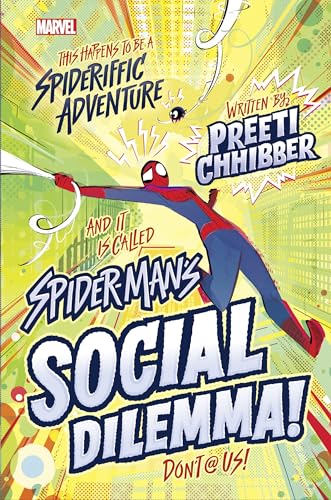
SpiderMan's Social Dilemma
As an affiliate, we earn on qualifying purchases.
As an affiliate, we earn on qualifying purchases.