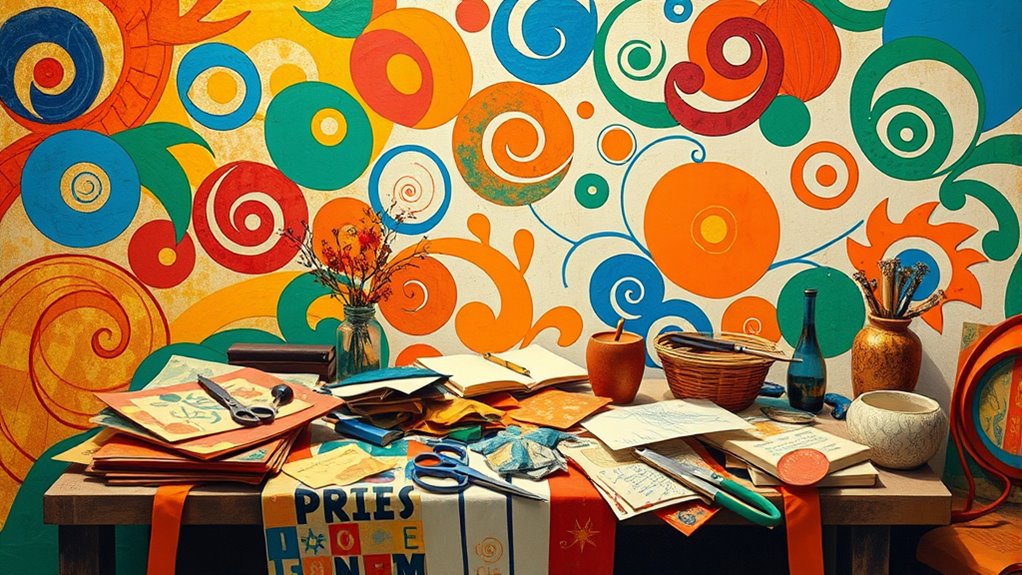

Henri Matisse shows that true creativity takes courage. He pushed boundaries by embracing bold colors and innovative forms, trusting his instinct to evoke deep emotion through vibrant hues. His fearless experimentation with color and composition challenged traditional art and opened new perspectives. If you continue exploring, you’ll discover how his masterful use of color and expression inspired generations and transformed modern art’s emotional language. His journey proves that boldness can lead to timeless artistry.
Key Takeaways
- Matisse’s bold use of vibrant colors exemplifies the courage to challenge traditional artistic norms.
- His innovative forms and compositions demonstrate creative bravery in redefining modern art.
- Matisse emphasized honest emotional expression, inspiring artists to pursue authenticity fearlessly.
- His mastery of color theory reflects a courageous exploration of emotional and atmospheric depth.
- The fearless experimentation in his work continues to influence and encourage creative risk-taking.

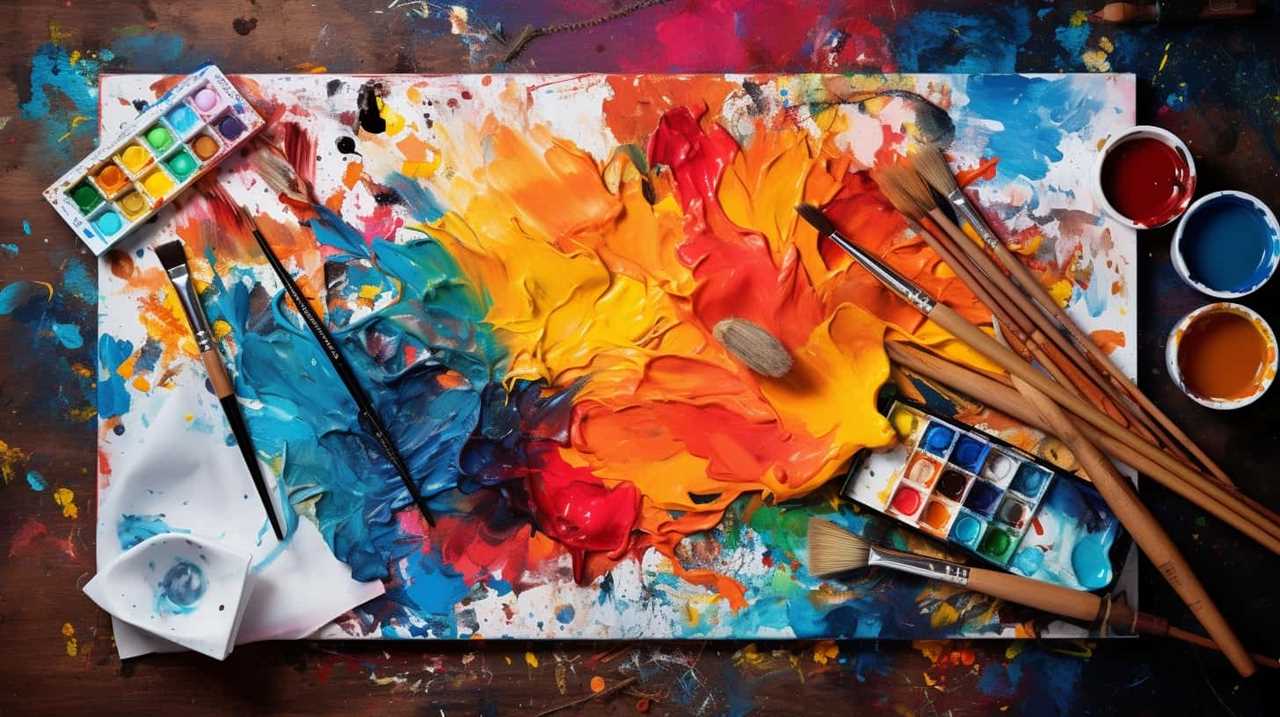
Henri Matisse was a pioneering French artist whose bold use of color and innovative approach to form transformed modern art. As you explore his work, you’ll notice how he pushed boundaries, especially with his embrace of expressionism and his mastery of color theory. Matisse believed that color could evoke emotion directly, bypassing the need for detailed realism. His paintings burst with vibrant hues that seemed to speak a language of their own, making his work both powerful and accessible. You can see how he used color not merely to depict objects but to express feelings, moods, and atmospheres. This approach was revolutionary at the time, challenging traditional notions of representation and encouraging you to see color as a tool for emotional expression. His intuitive grasp of color interaction allowed him to create dynamic and compelling compositions that continue to inspire artists today. In his quest to understand and manipulate color, Matisse developed a sophisticated grasp of color theory. He studied how colors interact, influence each other, and affect your perception. For example, he often juxtaposed warm and cool colors to create vibrancy and movement within his compositions. When you look closely at his work, you’ll observe how he used complementary colors to make elements pop, or how he layered shades to add depth and richness. His understanding of color theory wasn’t just technical; it was intuitive. He trusted his instincts to combine hues that would evoke the desired emotional response, inspiring you to think about your own use of color in creative projects. Matisse’s approach to expressionism is equally compelling. Unlike some of his contemporaries who focused on distortion or intense emotional outbursts, Matisse conveyed emotion through harmony and balance. His brushstrokes are confident yet fluid, radiating a sense of joy and serenity. You might feel uplifted simply by gazing at his colorful cut-outs or paintings, where every hue and shape seems carefully chosen to communicate a feeling. His willingness to experiment with simplified forms and bold color choices took courage and reflected his belief that art should be an honest expression of the soul. By embracing this fearless approach, Matisse invites you to explore your own emotional reactions to color and form.

Apple Barrel, Vibrant Spectrum Collection Acrylic Craft Paint, PROMOABIII, 2 fl oz each, 16 assorted matte colors, 16 count
CONVENIENT SIZE & FUN BRIGHT COLORS – This versatile acrylic paint set includes 16 – 2 oz bottles…
As an affiliate, we earn on qualifying purchases.
As an affiliate, we earn on qualifying purchases.
Frequently Asked Questions
What Inspired Matisse’s Bold Color Choices?
You’re inspired by color psychology and artistic experimentation, which drive Matisse’s bold color choices. He believed that vivid colors could evoke emotion and deepen the viewer’s experience. By daring to experiment, he challenged traditional boundaries, using intense hues to express mood and meaning. His fearless approach to color reflects his desire to communicate directly and powerfully, making his artwork vibrant and emotionally resonant.
How Did Matisse’s Health Influence His Art Style?
When faced with health challenges, you see how they gently steer your artistic evolution. Matisse’s health issues, especially his surgeries and mobility limitations, led him to explore new methods like cut-outs, which became central to his style. These adaptations deepen your appreciation for his resilience, showing how adversity can inspire bold, innovative art. His journey reminds you that even struggles can shape beauty and creativity in unexpected, powerful ways.
What Was Matisse’s Biggest Artistic Challenge?
Your biggest artistic challenge was embracing bold color choices through color psychology, which pushed you to take artistic risks. You constantly experimented with vibrant hues, risking rejection and criticism, but this risk-taking fueled your creativity. By trusting your instincts and daring to use unconventional colors, you transformed your art style, making it distinctive and emotionally impactful. This challenge became a essential part of your journey toward artistic innovation and expression.
Did Matisse Have Any Artistic Influences?
You might be surprised to learn that Matisse’s artistic influences run deeper than you’d expect. He studied color theory intensively, shaping his bold palette, and had several artistic mentors who guided his early development. These influences fueled his daring approach, inspiring him to push boundaries. It’s this blend of mentorship and color mastery that truly set him apart, making his work revolutionary—yet rooted in valuable guidance and foundational principles.
How Did Matisse’s Work Impact Modern Art?
You see, Matisse’s work greatly impacted modern art through his bold color experimentation and artistic evolution. His innovative use of vibrant colors challenged traditional techniques, inspiring other artists to explore new creative boundaries. By emphasizing emotion and expression over realism, he helped shape movements like Fauvism and influenced generations to prioritize personal style and experimentation, making modern art more diverse, expressive, and dynamic.
artist color theory palette
As an affiliate, we earn on qualifying purchases.
As an affiliate, we earn on qualifying purchases.
Conclusion
So, as you reflect on Matisse’s boldness and unwavering spirit, ask yourself: are you willing to embrace your own creativity with the same courage? His journey reminds you that true art demands vulnerability and daring. When you step outside comfort zones and trust your instincts, you emancipate endless possibilities. Will you have the courage to create boldly, just like Matisse, and transform your own life into a masterpiece? The choice is yours.
abstract art canvas for bold colors
As an affiliate, we earn on qualifying purchases.
As an affiliate, we earn on qualifying purchases.
color mixing and blending tools for artists
As an affiliate, we earn on qualifying purchases.
As an affiliate, we earn on qualifying purchases.