
According to Blaise Pascal, many of humanity’s issues come from our inability to sit quietly alone with ourselves. When we avoid inner reflection, we foster unrest that spreads into societal chaos and misunderstanding. By escaping solitude with noise or distraction, we disconnect from our true selves and deepen social division. Embracing silence and self-awareness helps reduce internal strife and promotes harmony. If you keep exploring, you’ll discover how inner peace can transform not just you, but society as a whole.
Key Takeaways
- Pascal believed inner unrest from avoiding solitude leads to societal chaos and misunderstandings.
- Avoiding self-reflection fosters anxiety, frustration, and disconnect from authenticity.
- Inner peace and self-awareness gained through silence reduce external conflicts and promote compassion.
- Society’s fragmentation stems from individuals’ inability to confront their internal truths.
- Embracing solitude fosters resilience, stability, and societal harmony by promoting self-understanding.
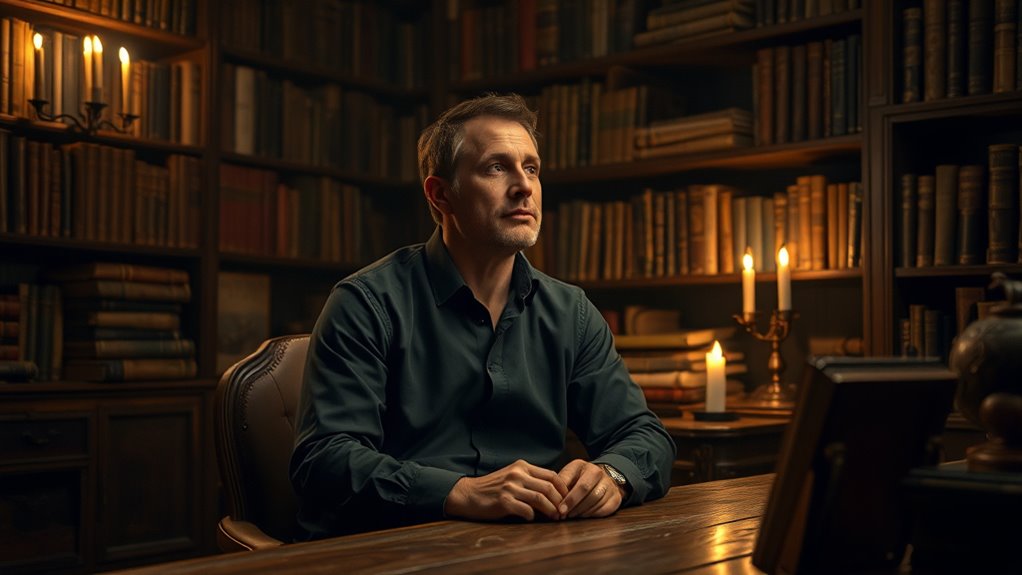
Many of humanity’s most pressing problems stem from our inability to sit alone with ourselves, a truth that Blaise Pascal understood deeply. When you can’t find inner peace within, it’s easy to become overwhelmed by social chaos. Without the skill to be comfortable alone in your own thoughts, you seek distraction in noise, activity, or external validation. This habit fuels a cycle where inner unrest spills into society, amplifying conflicts and misunderstandings.
Pascal believed that solitude is essential for understanding ourselves and cultivating inner peace. When you avoid facing your inner thoughts and feelings, you become more susceptible to anxiety, frustration, and fear. These emotions, left unchecked, often manifest as aggression or intolerance, fueling social chaos. You might find yourself constantly chasing after external stimuli to drown out uncomfortable truths, but this only deepens the disconnect from your true self. As a result, society becomes fractured—more polarized, more impatient, more disconnected.
Avoiding inner truths breeds societal fractures and deepens disconnection from our authentic selves.
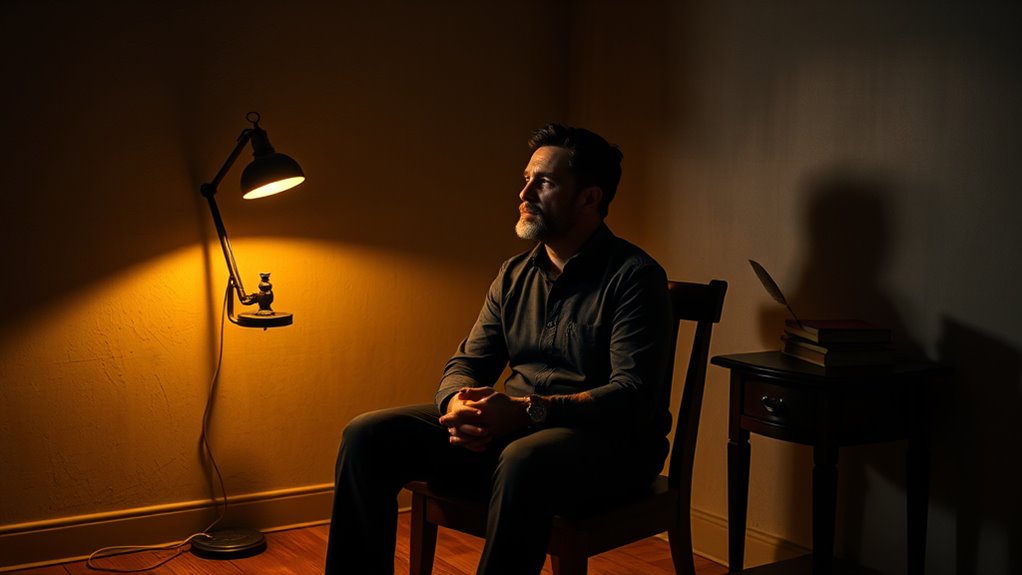
Sitting quietly in a room alone isn’t about withdrawal; it’s about reflection. When you learn to be comfortable in silence, you gain clarity and insight. Inner peace becomes a foundation upon which you can build resilience against external turmoil. You start recognizing that many conflicts—personal or societal—stem from unresolved internal struggles. By confronting your own doubts and fears, you reduce the likelihood of projecting them outward, which can ease social chaos.
The challenge lies in resisting the urge to fill every silence with noise or activity. Pascal urged people to embrace solitude, not as a form of loneliness, but as a path to self-awareness. When you do this, you better understand your motivations, biases, and desires. This self-knowledge allows you to act with greater compassion and patience, qualities that can counteract social chaos. You begin to see that the chaos outside often mirrors the chaos within, and that peace starts from within.
Developing the ability to sit quietly alone also helps you recognize the importance of mental well-being and emotional resilience, which are crucial for a balanced life. When you learn to be still and present, you foster a sense of stability that can resist external upheavals. This inner stability makes you less reactive to societal chaos and more capable of thoughtful action.
In essence, your ability to sit quietly alone is a powerful act of rebellion against the restless forces that threaten societal harmony. It’s about finding stability within yourself so that you’re less likely to be swayed by external upheavals. Cultivating inner peace isn’t just personal; it’s a necessary step toward creating a more peaceful society. Pascal’s insight reminds you that true change begins with your own capacity to be still, to listen, and to understand yourself deeply. Only then can you contribute to a more balanced, less chaotic world.
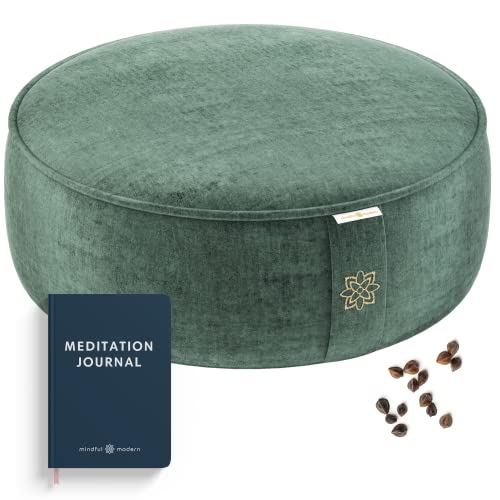
Mindful & Modern Velvet Meditation Cushion | Luxe Zafu Yoga Floor Pillow Seat | Posture Support | Buckwheat Hull Filled | Large Round Cushion with Removable Washable Cover + Carry Handle | Color Green
PROPER POSTURE AND SPINAL HEALTH – Our large luxurious velvety pillows are designed to ergonomically support your spine…
As an affiliate, we earn on qualifying purchases.
As an affiliate, we earn on qualifying purchases.
Frequently Asked Questions
How Did Pascal’s Ideas Influence Modern Psychology?
Pascal’s ideas influence modern psychology by emphasizing self-awareness and introspection, which are central to mindfulness meditation. You learn to sit quietly and observe your thoughts, fostering emotional resilience. His insights highlight the importance of understanding inner experiences, shaping therapies that help you manage emotions better. Today, his concepts underpin techniques that promote mental well-being, helping you develop a calmer, more resilient mind amid life’s challenges.
What Are Practical Ways to Sit Quietly Alone Today?
You can start by dedicating just five minutes daily to mindfulness meditation—focus on your breath, let thoughts drift away, and embrace stillness. Throw in a digital detox by turning off devices and disconnecting from screens for an hour. Find a cozy corner, sit quietly, and let your mind settle. These simple yet powerful acts will help you master the art of sitting alone and reconnect with yourself.
Did Pascal’s Views Change Over His Lifetime?
You’ll find that Pascal’s views did evolve over his lifetime. His approach to self-reflection shifted as he explored more deeply into philosophical ideas, leading to significant shifts in his thinking. At first, he emphasized the importance of quiet contemplation, but later, his focus turned toward faith and spirituality. These philosophical shifts reflect his ongoing self-reflection evolution, shaping his understanding of human nature and the importance of solitude.
How Do Different Cultures Interpret Solitude?
You’ll find that different cultures interpret solitude in unique ways. In some, like Japan, solitude is valued through meditation benefits, fostering inner peace and self-awareness. Other cultures, such as Western societies, often see solitude as loneliness or a chance for reflection. Cultural solitude norms shape how you experience alone time—whether it’s seen as a spiritual practice or a social taboo—highlighting diverse perspectives on sitting quietly with oneself.
Can Sitting Alone Improve Mental Health Significantly?
Sitting alone can profoundly boost your mental health if you embrace it. Imagine discovering a calm oasis within yourself through mindfulness meditation, unleashing solitude benefits that reduce stress and enhance clarity. In those quiet moments, you might uncover insights that transform your perspective. Don’t shy away from solitude—it’s a powerful tool for mental resilience, helping you reconnect with your inner self and foster genuine peace amidst life’s chaos.
noise-canceling headphones for focus
As an affiliate, we earn on qualifying purchases.
As an affiliate, we earn on qualifying purchases.
Conclusion
When you learn to sit quietly in a room alone, you open the true mirror of your soul—like a lantern illuminating hidden fears and desires. Pascal suggests that avoiding this silence keeps us lost in chaos, like a boat without an anchor drifting aimlessly. Embrace solitude as your guiding star, and you’ll find clarity amidst life’s storms. Only then can you navigate humanity’s struggles, grounded in the quiet strength of your own inner light.
journaling notebook for self-reflection
As an affiliate, we earn on qualifying purchases.
As an affiliate, we earn on qualifying purchases.
guided meditation app subscription
As an affiliate, we earn on qualifying purchases.
As an affiliate, we earn on qualifying purchases.