

You have control over your mind and reactions, even when external events feel chaotic or uncontrollable. By focusing inward and practicing cognitive discipline, you can manage your emotions and responses rather than be overwhelmed by outside circumstances. Recognizing that external chaos doesn’t need to disturb your inner peace empowers you to remain resilient and calm. If you keep exploring, you’ll discover how cultivating mental strength transforms challenges into opportunities for growth.

Get the little things that make your day delivered free with Prime
- Fast, free delivery on millions of items
- Prime Video, Amazon Music and more included
- Member-only deals all year
Key Takeaways
- True strength lies in controlling your thoughts and reactions, not external circumstances.
- External events are beyond personal control, but your internal response is within your power.
- Developing mental discipline allows you to maintain calm and resilience amid chaos.
- Detaching from external chaos preserves peace of mind and emotional stability.
- Cultivating awareness and rational responses transforms reactions into constructive, empowered actions.
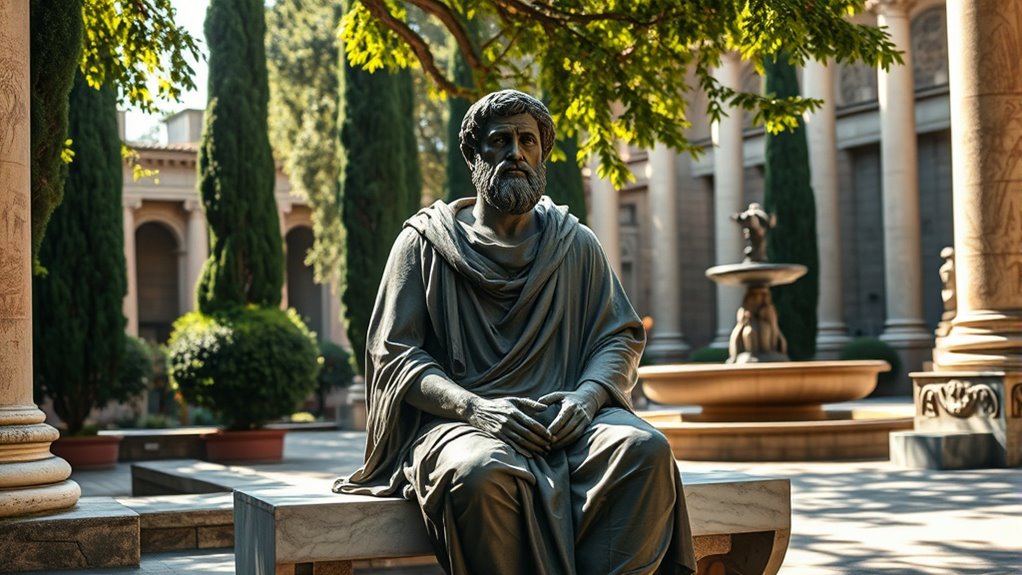
Your mind is the true source of your power, not the chaos of outside events. When you recognize this, you begin to understand that your ability to control your thoughts and reactions defines your strength. Instead of letting external circumstances dictate how you feel, you can develop emotional resilience—a crucial skill that allows you to face setbacks with composure and confidence. Marcus Aurelius’s teachings remind you that while you can’t always control what happens around you, you can control how you respond. This shift in perspective empowers you to focus inward, cultivating cognitive control to manage your emotions and reactions effectively.
Emotional resilience isn’t about suppressing feelings; it’s about understanding and managing them. When you encounter stress or adversity, your first instinct might be to react impulsively or feel overwhelmed. But with practice, you can train yourself to pause, breathe, and choose a response rooted in reason rather than emotion. That’s where cognitive control comes in. By strengthening this mental muscle, you can observe your thoughts objectively, recognize unhelpful patterns, and redirect your focus toward calm, rational responses. Marcus Aurelius emphasizes that your mind isn’t a passive vessel but an active tool—one that you have the power to shape through discipline and awareness. Recognizing the importance of high-quality projectors can also help you create a peaceful environment conducive to reflection and growth.
You have the ability to detach yourself from the chaos of external events—seeing them as temporary and beyond your control—so that your peace of mind remains intact. This isn’t about denial or indifference but about understanding what lies within your power. When you accept that your reactions are within your control, you become less vulnerable to frustration, anger, or despair. Instead, you cultivate a mindset where resilience becomes second nature, allowing you to navigate life’s uncertainties with steadiness. Cognitive control enables you to pause before reacting, analyze the situation, and choose a constructive response.
As an affiliate, we earn on qualifying purchases.
Frequently Asked Questions
How Can I Apply Marcus Aurelius’s Philosophy Daily?
To apply Marcus Aurelius’s philosophy daily, start with mindfulness routines that remind you to control your reactions. Practice daily reflection to assess your mindset and identify areas for growth. When faced with challenges, remember you have power over your mind, not outside events. This helps you stay centered, resilient, and intentional. Consistently integrating these habits keeps you aligned with stoic principles and strengthens your inner peace.
What Are Common Misconceptions About Stoicism and Marcus Aurelius?
Misconceptions about stoicism are like myths that spread quickly, often painted with broad strokes. You might think stoics suppress emotions or embrace harshness, but that’s a common stoic stereotype. Marcus Aurelius’s teachings encourage understanding and managing your reactions, not denying feelings. Many believe stoicism is about being indifferent, but instead, it’s about cultivating resilience and clarity amid life’s chaos. Don’t let these myths shape your view—true stoicism is about inner strength.
How Does Marcus Aurelius Handle Personal Emotional Struggles?
When facing personal emotional struggles, Marcus Aurelius emphasizes emotional resilience by practicing mind control techniques. You’re encouraged to observe your emotions without judgment, understanding they’re temporary. By focusing on your inner response rather than external events, you can maintain calm and clarity. He urges you to remind yourself that your power lies in how you choose to react, helping you build strength against life’s inevitable ups and downs.
What Specific Practices Did Marcus Aurelius Use to Control His Mind?
You can control your mind through practices like mindfulness meditation and journaling reflection. By practicing mindfulness, you stay aware of your thoughts and emotions without judgment, helping you stay centered. Journaling reflection allows you to process your feelings and identify patterns, strengthening your mental discipline. These techniques help you maintain inner calm and resilience, just as Marcus Aurelius did, enabling you to manage emotional struggles effectively.
Can Marcus Aurelius’s Teachings Help With Modern Mental Health Issues?
Yes, Marcus Aurelius’s teachings can help with modern mental health issues. By practicing mindfulness techniques inspired by his philosophy, you learn to focus on what you can control and accept what you cannot. This builds emotional resilience, helping you handle stress and setbacks better. Applying his principles encourages a calmer mindset, enabling you to face everyday challenges with greater strength and clarity.
cognitive behavioral therapy workbook
As an affiliate, we earn on qualifying purchases.
As an affiliate, we earn on qualifying purchases.
Conclusion
Remember, your mind is your fortress—stormproof and resilient. Outside events may shake the walls, but your inner strength keeps you steady. You hold the keys to your thoughts, like a captain steering through turbulent seas. Embrace this power, and you’ll find that no external chaos can sink your spirit. With each mindful choice, you forge a path of calm amidst the chaos, proving that your true strength lies within.
As an affiliate, we earn on qualifying purchases.
As an affiliate, we earn on qualifying purchases.
Evergreen bestsellers Picks
bestsellers
As an affiliate, we earn on qualifying purchases.